
Some hobbies come and go with the seasons. Others survive empires, revolutions, two world wars and the invention of the internet without losing their fans. Cross stitch belongs firmly to the second kind. It is one of the most enduring crafts in human history, and today it is enjoying a vibrant revival.
A History Across Civilisations
Counted-thread embroidery has deep roots. X-shaped stitching appears in textiles from many ancient cultures, and historians often point to China’s Tang dynasty (618 to 907 AD), when silk embroidery was highly prized. The craft travelled along trade routes through the Middle East into Europe, where it flourished in Spain alongside Moorish-influenced blackwork.
By the 16th century it had reached England. Catherine of Aragon is often credited with popularising Spanish blackwork at the Tudor court. Then the printing press changed everything: one of the first printed needlework pattern books appeared in Germany in 1524, spreading designs across Europe.
By the 17th century girls across Europe were stitching samplers, long strips of fabric recording alphabets, motifs and personal details. One of the oldest surviving dated samplers, stitched by Jane Bostocke in 1598, can still be seen at London’s Victoria and Albert Museum.
Cross stitch has outlasted everything history threw at it. The Industrial Revolution tried to replace it with machines. In the Second World War, prisoners of war stitched to pass time, and one famously hid a Morse code message in his sampler. The craft dipped, revived with the sampler boom of the 1960s and 70s, and has grown ever since. Read more in Cross Stitch Through the Ages.
A Modern Revival
If you still think of cross stitch as niche or old-fashioned, think again. Craft retailers and designers have reported strong demand for kits and digital patterns in recent years, and new stitchers join every day. Designers now sell instantly downloadable PDFs to stitchers worldwide, and online communities make inspiration, help and friendship easy to find.
The Pandemic Effect
COVID-19 sped up a trend already under way. With the world locked down and screens dominating daily life, many turned to cross stitch for the usual reasons: the rhythm, the tangibility and the quiet satisfaction of making something real by hand.
This time, though, there was social media. Stitchers who might once have worked alone shared projects on Instagram, TikTok and Reddit and found a warm international community that had been there all along. Stitch-alongs took off and finished pieces gathered thousands of likes. A hobby some had dismissed as old-fashioned proved ideal for visual, community-driven platforms.
The hobby’s face has changed too. Millennials and Gen Z have embraced it, drawn by DIY spirit, screen-free appeal and the satisfying contrast between slow stitching and the speed of everything else. More men are stitching than ever.
Why People Really Love It
Many stitchers describe a “flow state”, where time seems to pause and worries recede. The rhythmic motion and gentle focus give a busy mind just enough to do, which is why so many find it calming. Read why cross stitch is a de-stresser and Mindful Crafting.
There is something deeper too. Cross stitch gives what most modern work and leisure do not: a tangible result. After a day of emails, meetings and scrolling, a stitcher can hold up their work and say “I made this.” Every stitch is a small act of intention, and together they become something worth framing. In a world of fleeting digital experiences, there is great comfort in that.
A Truly Global Craft
What makes cross stitch remarkable is how thoroughly it is woven into cultures worldwide, and how each has made it its own.

In Eastern Europe it has decorated folk costumes and household textiles for centuries, and the geometric patterns of Romanian, Ukrainian and Polish embroidery are among the world’s most distinctive. In Scandinavia it belongs to the domestic design tradition that gave us Carl Larsson‘s beloved interiors. In Japan, precision and patience suit a cultural love of careful, meditative craft. In the United States it arrived with European settlers and became part of American home life, from colonial samplers to modern craft shops. Today it is practised in almost every country, by people of every background and age, linked by online communities and the shared language of DMC thread numbers. Read more in Stitches That Built Nations.
No Ceiling, No Floor
Stitchers have made enormous pieces that take years and cover whole walls. At the other extreme, miniature work on very fine fabric yields designs so tiny you need a magnifier. The craft goes wherever you take it. Try a small one yourself with our miniature famous art kits.
What People Are Stitching Now
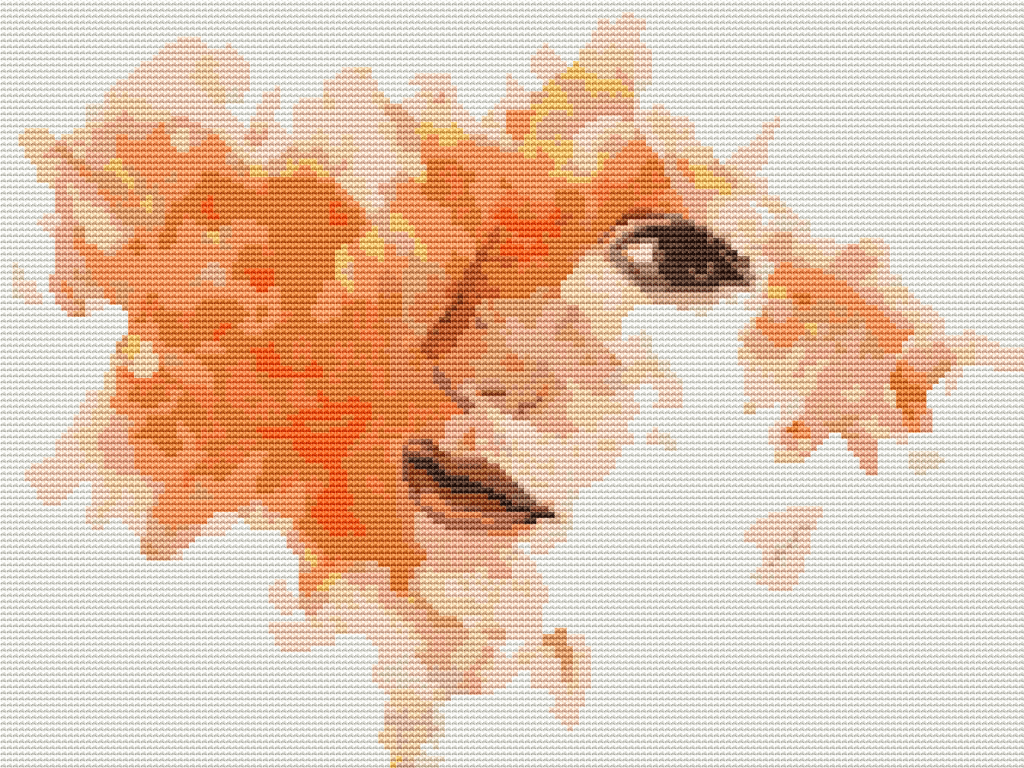
Custom photo portraits, which turn a personal photograph into a chart, are hugely popular. People want heirlooms: something lasting and meaningful, something a grandchild might find in a drawer fifty years from now and wonder about.
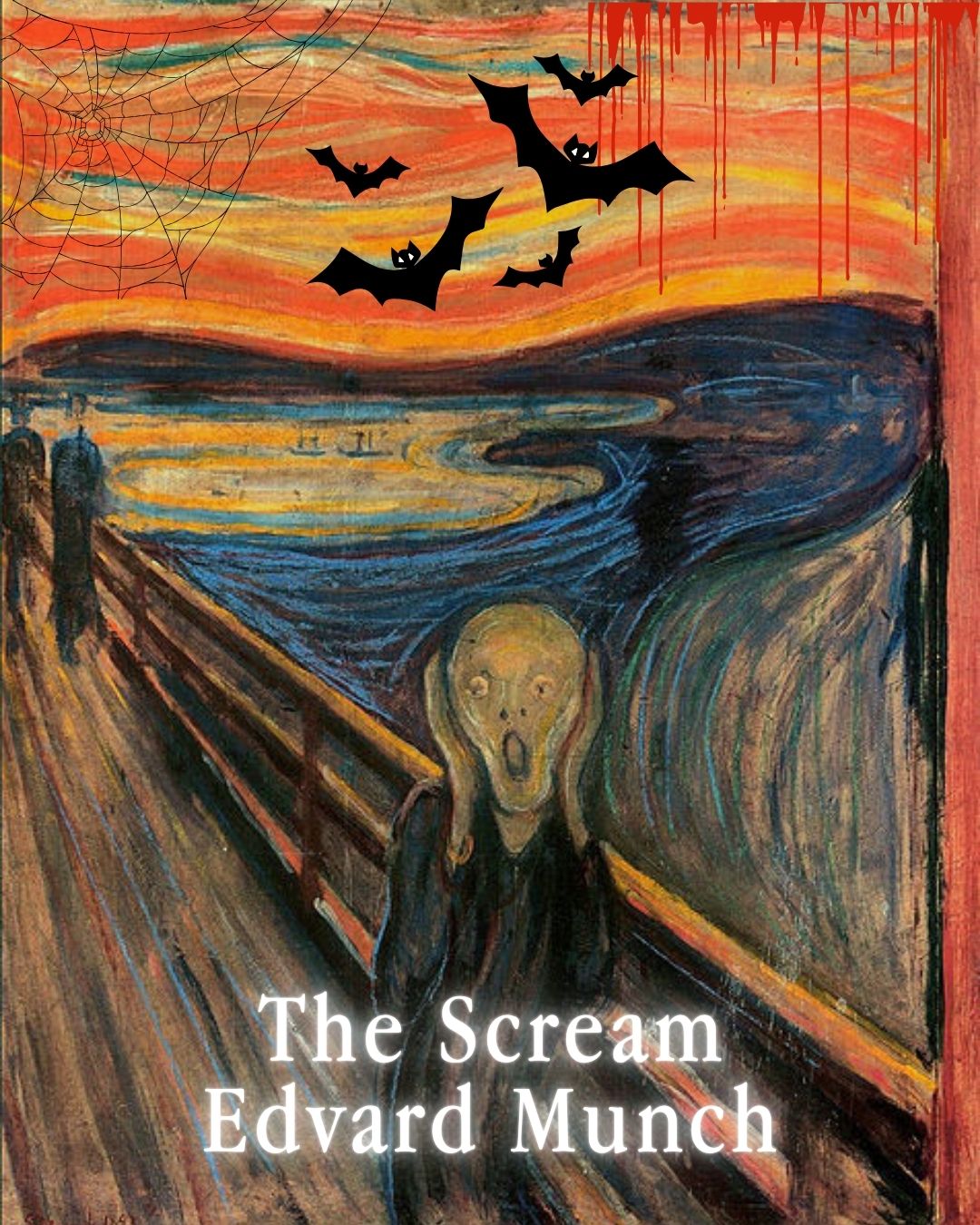
Art-inspired cross stitch has never been more popular, with works by Van Gogh, Klimt, Monet and Waterhouse turned into kits that bring great paintings into the home, stitched by the owner. Read why fine art is becoming cross stitch’s most beautiful trend.
Meanwhile, samplers like Jane Bostocke’s from 1598 are enjoying a quiet revival, updated with modern motifs and alphabets but following the same banded structure that has lasted four centuries. Some things are simply right, and stay right. See more in Cross Stitch Trends for 2026.
A Hobby That Endures

Cross stitch has outlasted every prediction of its demise. It survived industrialisation, two world wars, television, video games and the smartphone. Each time the world changed, it adapted, finding new subjects, communities and reasons to matter.
The reason is simple. Cross stitch offers something no technology has copied: making something beautiful, slowly, with your own hands, one careful stitch at a time. That rhythm, focus and quiet sense of building something real is as open to a stitcher today as in Tang dynasty China, colonial America or Victorian England.
Perhaps it is time to find out for yourself. Begin with our top 10 tips for beginners.
Discover Your Next Stitch
Explore designs inspired by the world’s greatest artists, with everything you need in the box.
Shop Premium Cross Stitch Kits
Prefer a smaller project? Try our mini kits, or browse our cross stitch patterns.

Leave a Reply