1. Small, Finishable Projects Take Over
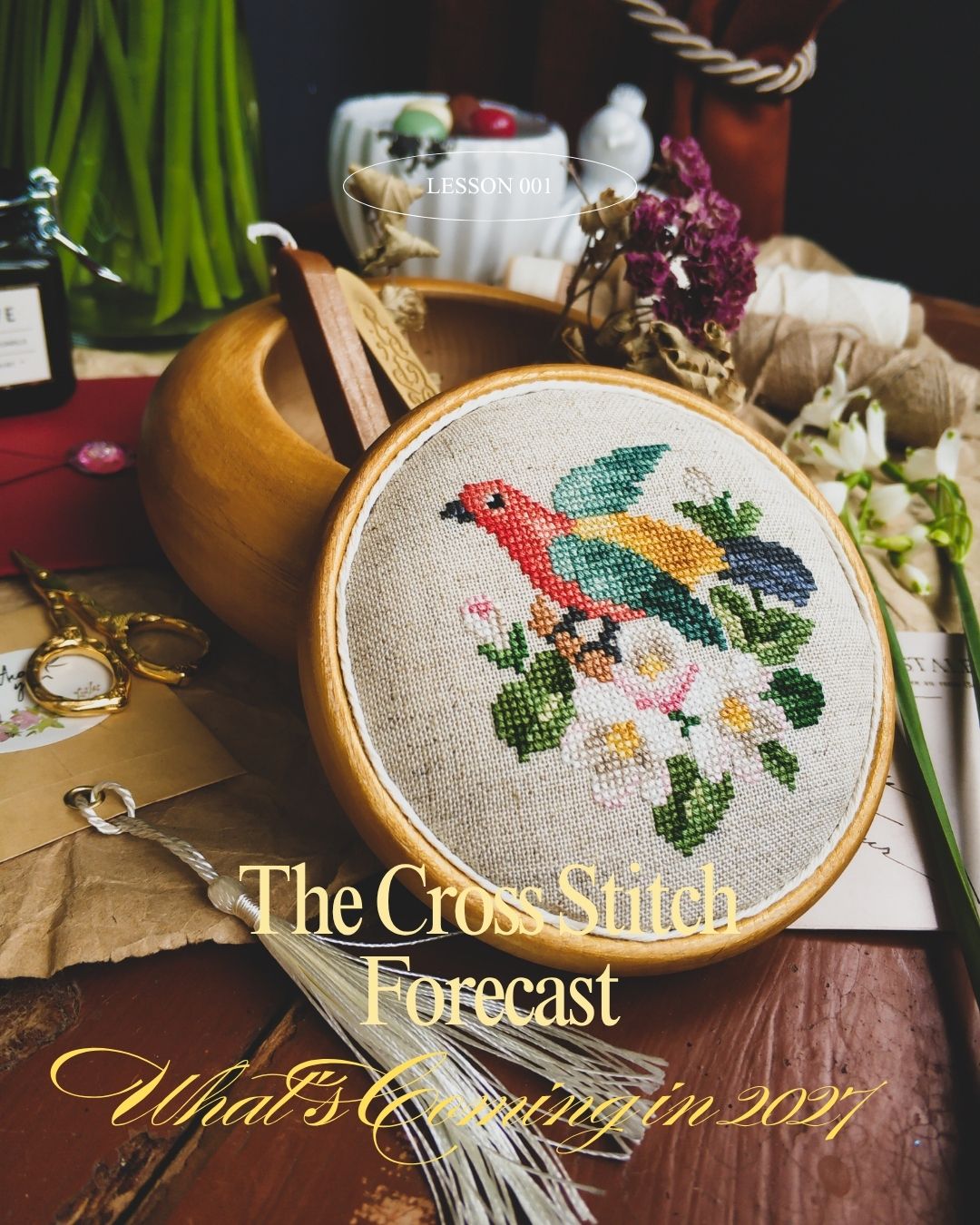
The biggest structural shift of 2026 has been the death of the “someday” project. Cross-stitch has become calmer, more personal, and refreshingly forgiving, with stitchers choosing smaller projects, thoughtful color palettes, and designs that feel good to make rather than impressive to show off. The old goal of an enormous full-coverage sampler has quietly lost its grip; instead, mini patterns, sets of coordinating pieces, and quick seasonal projects are everywhere, because finishing something delivers a satisfaction that an unfinished masterpiece never can.

In 2027: expect designers to lean even harder into “one-sitting” patterns — ornaments, patches, keychains — sold in bundles rather than single large charts.
2. Design Gets More Editorial, Less Crafty
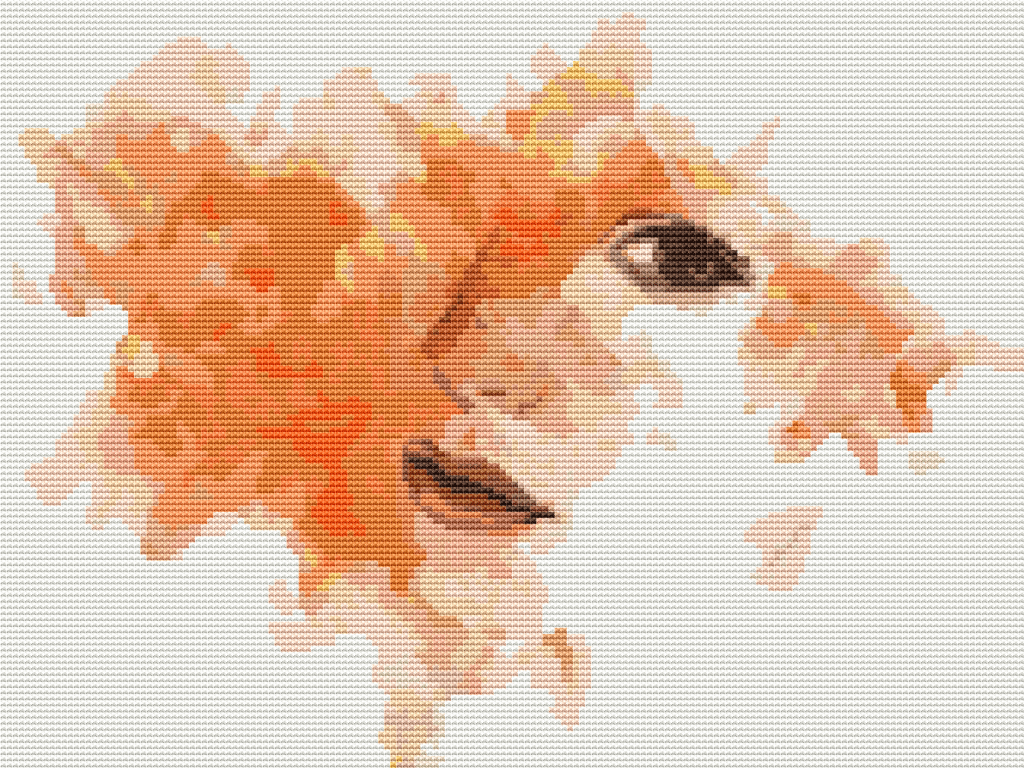
Cross stitch is shedding its “grandma’s hobby” aesthetic in favor of something closer to fine art. Rather than filling every square out of habit, designers are letting pieces breathe, and negative space isn’t lazy anymore — it’s tasteful. Many new designs are clean, slightly minimalist, and display-worthy without being stiff, borrowing more from gallery art than from kitschy sampler tradition.
In 2027: expect a genuine split between “art-print” style charts meant for framing, and playful, humor-driven kits meant to be photographed and shared.
3. Palettes Shrink, Confidence Grows
Stitchers are tired of sorting floss for its own sake. There’s a quiet move away from patterns using dozens of nearly identical shades, replaced by limited, thoughtful palettes — muted tones, soft gradients, and the occasional bold accent doing most of the visual work. Less time untangling near-identical browns means more time actually stitching.
In 2027: watch for kit designers marketing palette size as a selling point (“just 6 colors”) rather than an afterthought.
4. The TikTok Cottagecore Spike — and Its Limits
This year, cross stitch unexpectedly became fashionable again, showing up in mainstream trend round-ups it hasn’t touched in years. But the data tells a more complicated story than “craft renaissance.” Revenue across US fabric and craft stores has actually dropped a steady 0.7% a year over the last five years, and much of the current wave looks driven by kitschy, quick-finish, humor-based kits that sell out fast because they’re cheap, fast, and easy to photograph — not necessarily a deep new pull toward the craft itself.
In 2027: expect both trends to run in parallel — a churn of low-commitment “unboxing” kits feeding social platforms, alongside a smaller, steadier core of dedicated stitchers investing in calmer, more intentional projects. Brands chasing only the viral kit cycle will likely see short shelf lives; the ones building loyalty with returning stitchers will be better positioned when the trend cools.
5. Needlework as a “Life Skill,” Not Just a Hobby
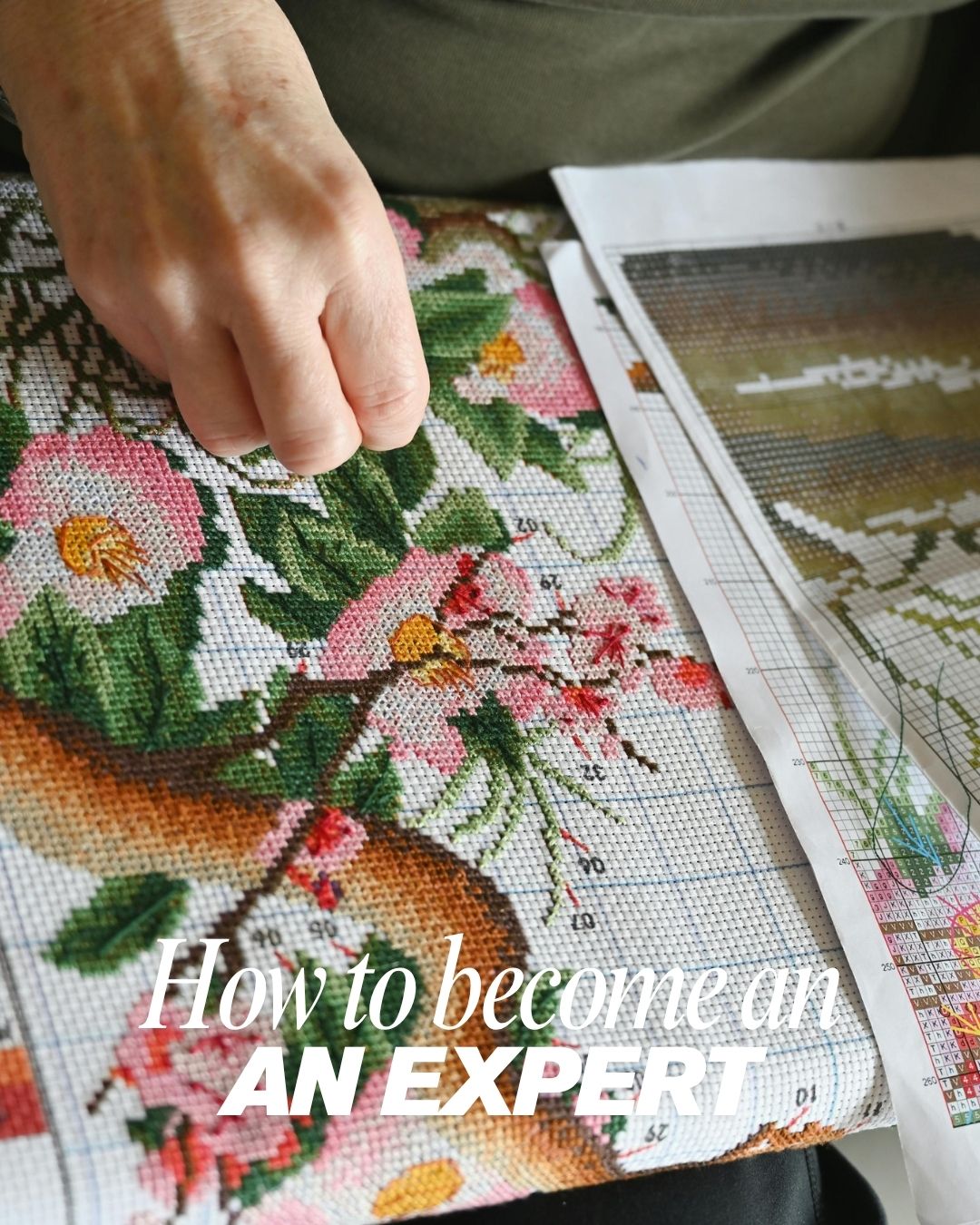
Cross stitch is increasingly being framed alongside sewing, knitting, and mending as part of a broader skills-and-self-reliance movement. Coverage this year has described people investing time and money in learning needlecraft to save money, understand how things are made, and build personal confidence, with outlets reporting that sewing, knitting, and needlework are being redefined as modern life skills. That reframing tends to bring in a different kind of newcomer — one looking for a durable skill rather than a one-off trend purchase.
In 2027: expect more “learn to stitch” content positioned as practical skill-building, and more crossover marketing with mending, visible repair, and sustainable fashion.
Bottom line: 2027 cross stitch will likely be smaller, calmer, and more curated at its core — while its social-media surface stays loud, fast, and trend-driven. The two aren’t in conflict; they’re just serving different stitchers.


Leave a Reply