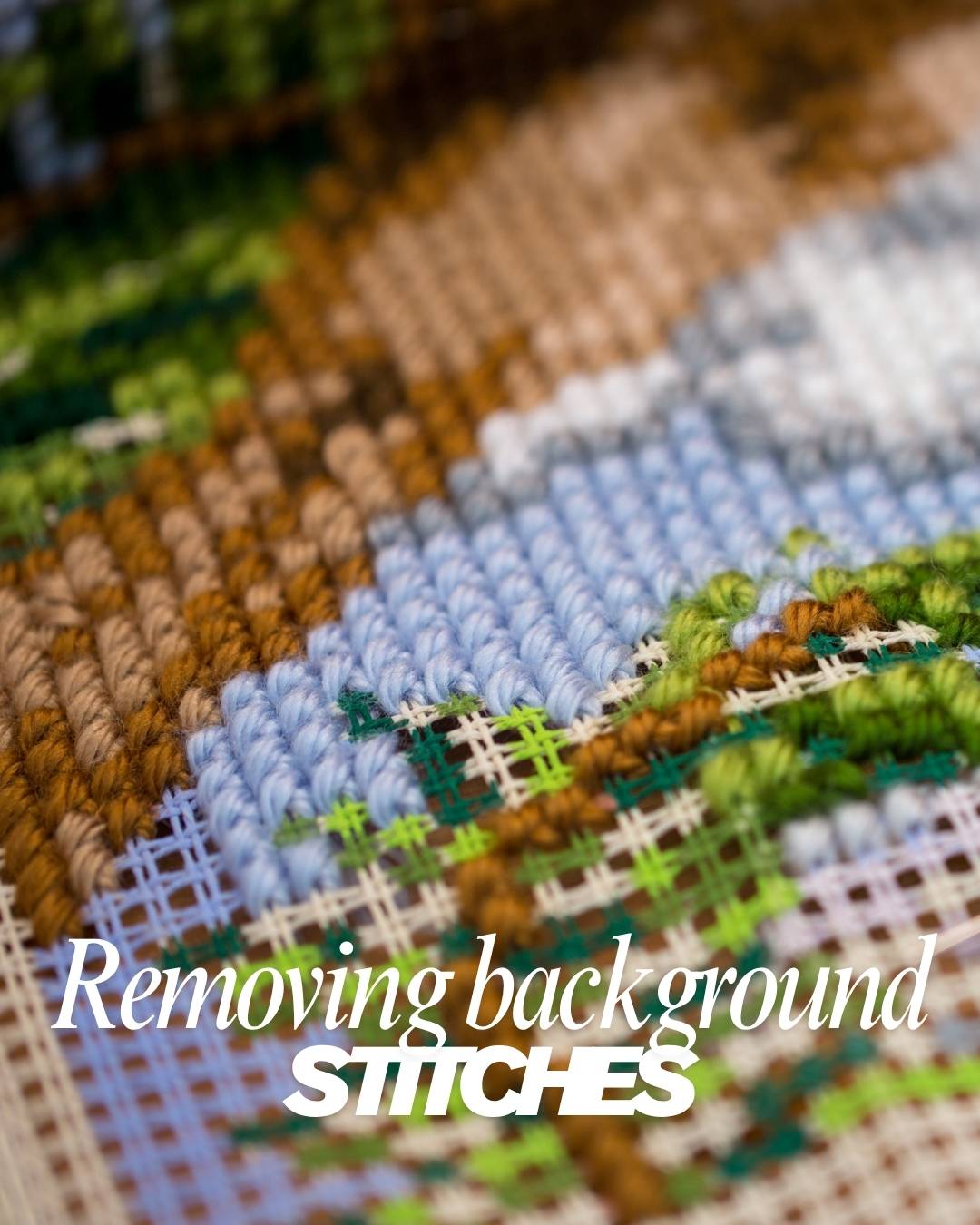
A cross stitch design does not always need every stitch. Leave out the background and your fabric becomes part of the picture, which is ideal for cushions, tote bags and blankets, where a lighter design looks better and finishes much faster. Here is how to adapt a chart so the result looks deliberate rather than unfinished.
Why Skip the Background?
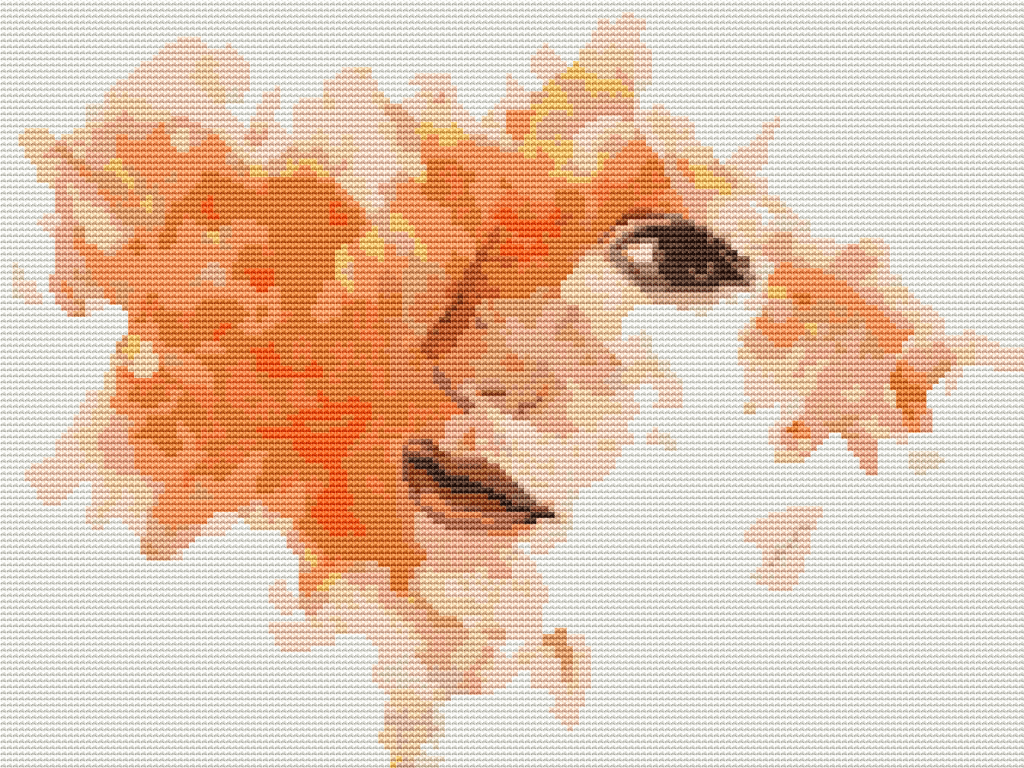
Dropping the background simplifies a design and puts the main subject in the spotlight, while the colour and texture of the fabric show through for a modern, refined look. It also suits practical items: a cushion or bag with less dense stitching is softer, lighter and more flexible.
Some designs have a background of only one or two shades, so removing it barely changes the heart of the pattern. Portraits and devotional designs such as our Christ at 33 are good examples, because the figure stands beautifully alone.
Adapting Your Pattern, Step by Step
- Study the chart. Find the background stitches, usually uniform areas around the main motif. Mark them on a printed chart, or hide them in Pattern Keeper or your charting software.
- Pick your fabric colour. Light fabric suits vibrant designs, while darker fabric makes pale or pastel threads pop. Check that no important light shades vanish against your choice.
- Stitch only the motif. Skip the marked areas as you go. If the background is one colour, leave that colour out entirely and save time and thread.
- Define the edges. Without a background, edges can look soft. Add backstitching or three-quarter stitches around the outline for a crisp finish.
- Stabilise the fabric. For cushions and bags, choose a sturdy fabric or iron a stabiliser onto the back so it keeps its shape.
- Plan the assembly. Position the design correctly on the panel and leave enough seam allowance before sewing it into a cushion or bag.
Stitching on Ready-Made Items
Want a design on a T-shirt, tote or towel with no countable weave? Use waste canvas as a temporary grid and remove it afterwards. Leaving out the background works especially well with this method.
Why It Works
- Saves time: no big areas of solid colour to fill.
- Saves materials: less thread, particularly with dense backgrounds. See saving money on cross stitch.
- Versatile: the same design looks different on different fabrics.
- Focused: the eye goes straight to the detail of the motif.
Creative Ideas
- Try coloured, hand-dyed or textured fabrics for extra depth.
- Place the motif off-centre or in a corner for a fresh look.
- Add beads, metallic threads or French knots to lift a simple motif.
Make Cross Stitch Part of Daily Life
Without the background, cross stitch easily becomes cushions, bags and other things you use every day, in a quicker and more personal take on your favourite designs. For more inspiration, see 10 creative ways to display your finished cross stitch.
Put It Into Practice
Choose a design that suits your skill level and start stitching today, with everything you need in the box.
Short on time? Try a mini cross stitch kit, or browse our cross stitch patterns.

Leave a Reply