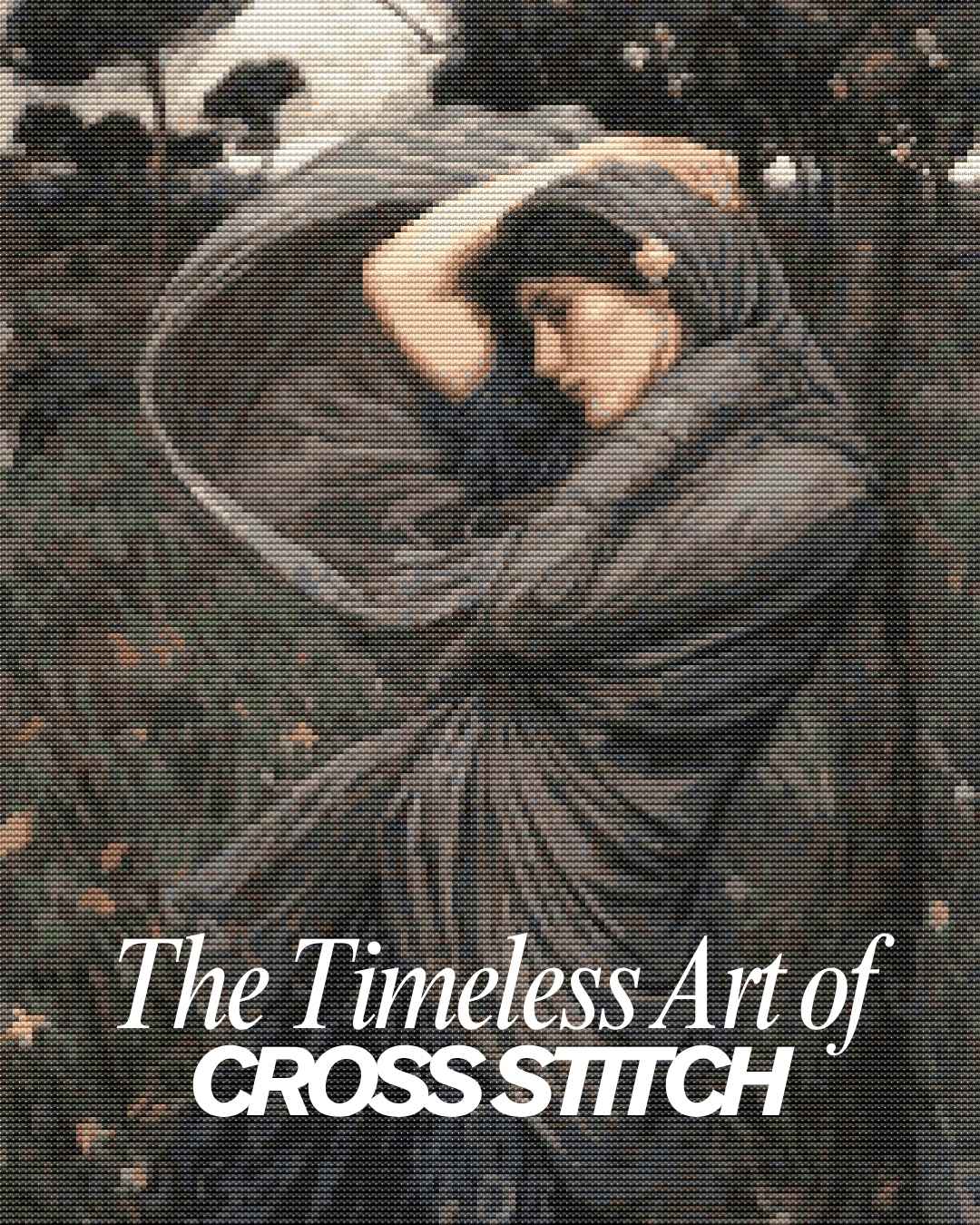
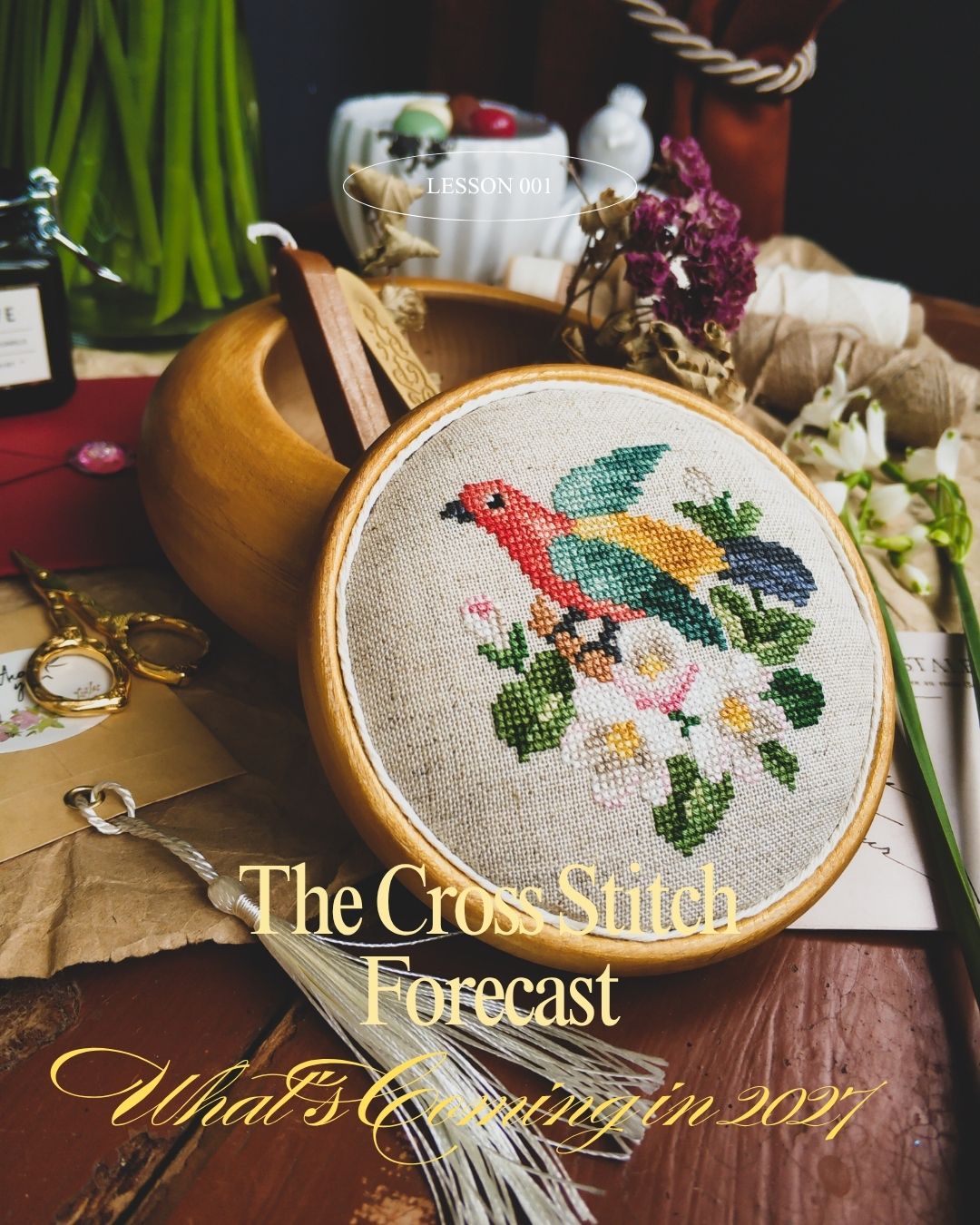
In an age of digital art and instant results, creating something slowly by hand is deeply satisfying. With needle, thread and fabric, cross stitch turns simple materials into intricate, personal artworks. Whether you are experienced or just curious, it blends creativity, mindfulness and tradition.
A Long History
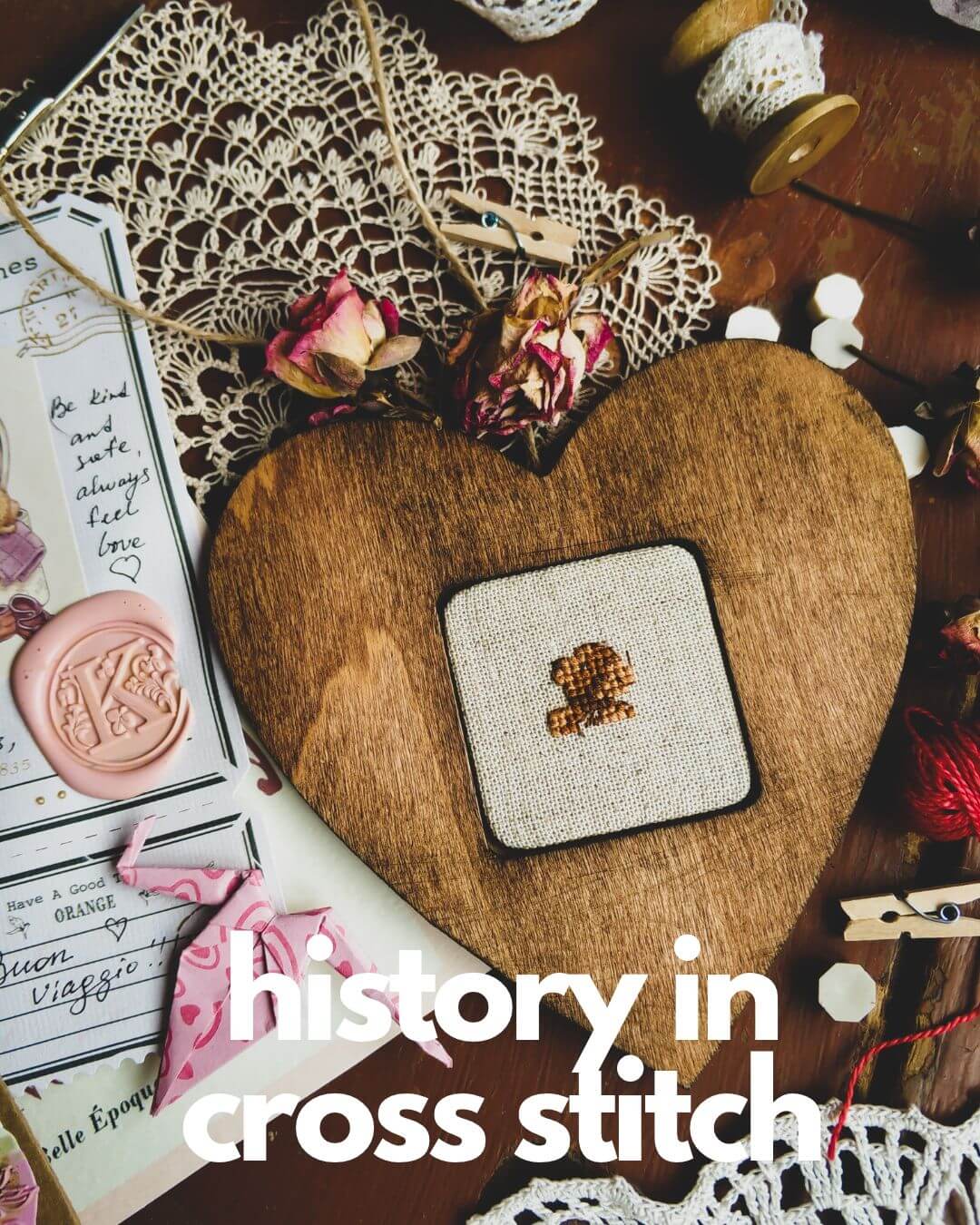
Cross stitch is among the oldest forms of embroidery, with counted-thread traditions across Asia, the Middle East, Africa and Europe. Explore designs inspired by Asian art, for example. In medieval and Renaissance Europe it decorated clothing, household linens and church textiles, with skills handed down through generations.
By the 18th and 19th centuries, stitching samplers was part of many girls’ education. These decorative pieces showed off skill, with alphabets, motifs and personal messages. Today the craft is enjoying a lively revival as designers reimagine it for a new generation. Read more in Cross Stitch Through the Ages.
Tools and Basics
At heart it is simple: X-shaped stitches worked on grid fabric to build a picture. You need:
- Fabric: Aida is the most beginner-friendly, with clear squares for easy counting, while evenweave and linen give a finer finish. Compare them in Aida vs evenweave and linen.
- Thread: cotton floss comes in hundreds of colours, with strands you can separate for different thicknesses.
- Needle: a blunt tapestry needle slides between fabric threads without splitting them.
- Pattern: a chart showing where each colour goes, printed or as a PDF.
- Hoop or frame (optional): keeps fabric taut. See do you really need a hoop?
For more, read what you need to start cross stitching. Projects range from small, simple designs to vast masterpieces that take months.
Cross Stitch as Art
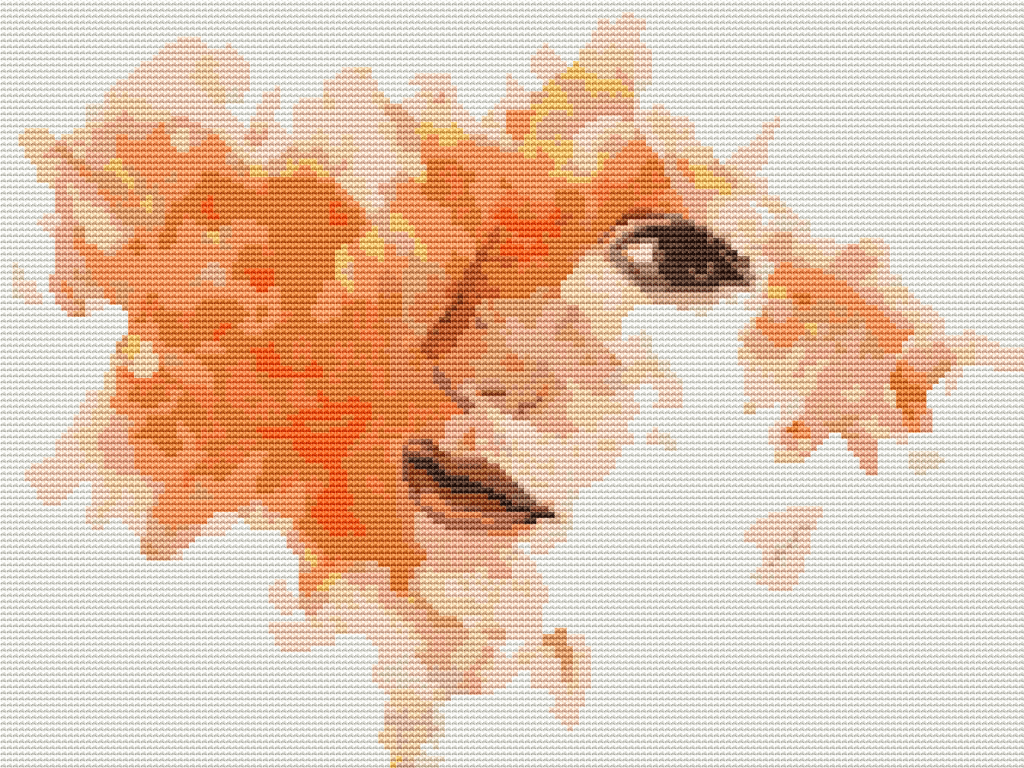
People often link cross stitch with flowers, animals and quotes, but it is also a medium for serious art. Designs today range from photorealistic portraits to abstract patterns and classic illustration, like the work of J.C. Leyendecker.
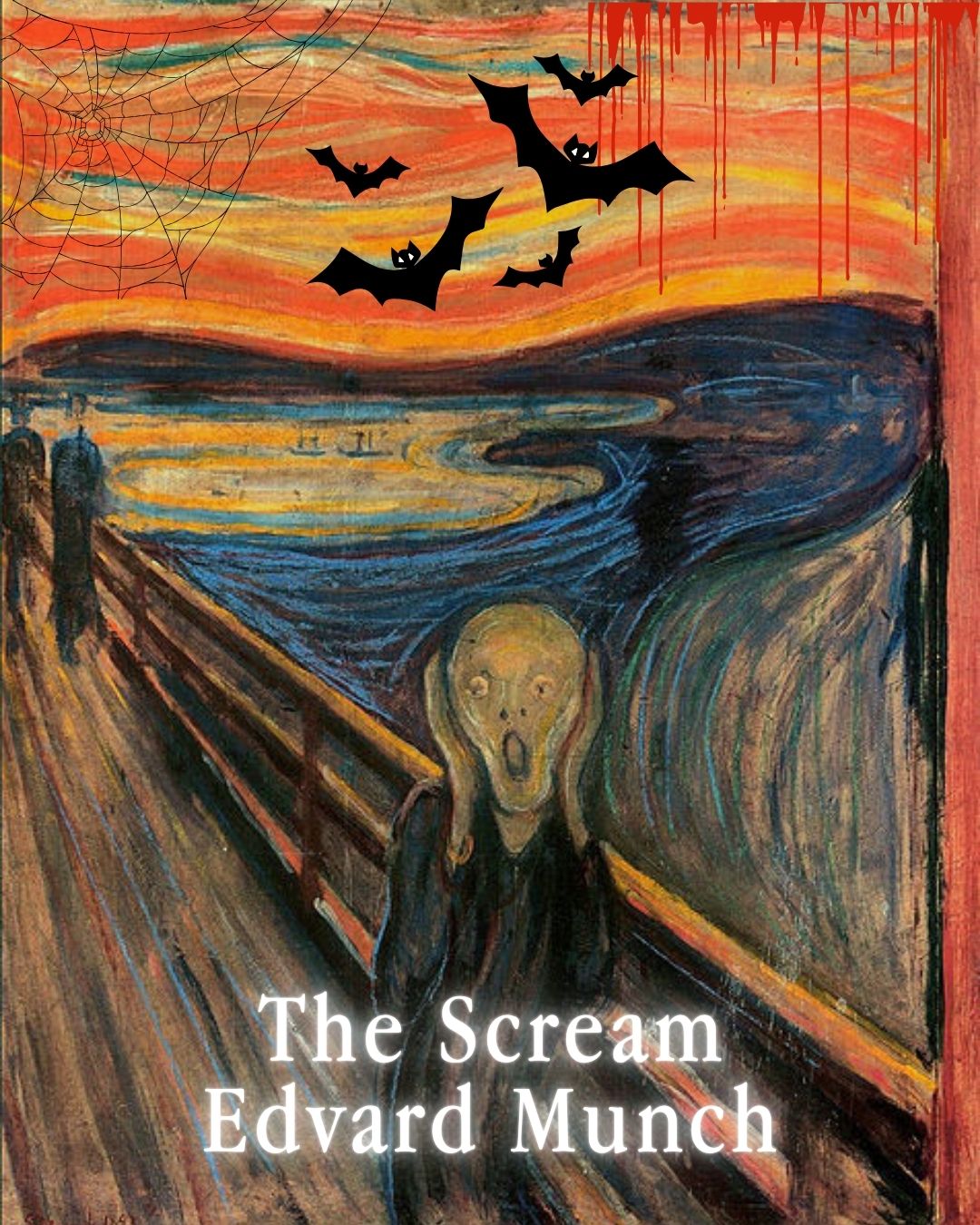
It is essentially pixel art. Each stitch is a tiny pixel, and from a distance they merge into one image, which is why great paintings translate so well into thread. See transforming art into cross stitch, and find the stories behind the paintings in The Art Library.
It also offers a tactile, meditative rhythm few art forms can match. The repetitive motion is calming, which is why so many people stitch to relax. Read Mindful Crafting.
Tips for Your Own Masterpiece
- Start small to build confidence. Mini designs are ideal.
- Invest in good fabric and thread, which make a real difference.
- Take your time. Cross stitch is slow by nature, so enjoy it.
- Experiment with colour to make patterns your own.
- Frame your work to protect it and show it off. See how to frame your cross stitch.
Dodge the classic slip-ups with common cross stitch mistakes.
Why It Endures
In a fast-moving world, cross stitch is a welcome pause: a chance to slow down, focus and make something meaningful. Whether you are making a gift, decorating your home or exploring an art form, it blends creativity, tradition and mindfulness. Every stitch is a step towards a masterpiece.
Discover Your Next Stitch
Explore designs inspired by the world’s greatest artists, with everything you need in the box.
Shop Premium Cross Stitch Kits
Prefer a smaller project? Try our mini kits, or browse our cross stitch patterns.

Leave a Reply